
Deep Foundation Services for Stable Project Support
We plan deep foundation support for weak soils, heavy loads, aquatic structures, additions, and commercial or industrial projects across Southern Indiana and Kentucky before crews start.
520+
Clients
Served
99.4%
Customer Satisfaction
Rating
176+
Years Combined Expertise
18 Mo.
Industry-leading Warranty
51%
Repeat
Clients
Real-Time Client
Access to Job Sites
Foundation Support for Projects With More at Stake
Weak soil, heavy loads, water-bearing structures, additions, and public-use buildings can change the project before the structure comes out of the ground.
Deep foundations carry loads past poor surface conditions to stronger support below. That matters when standard footings cannot handle the site, building load, or long-term use.
This work should be reviewed before the project depends on early assumptions. Soil conditions, structural loads, equipment access, grading, drainage, concrete work, and inspections all need to connect before below-grade work starts.
For projects across Southern Indiana and Kentucky, our goal is clear: make the support below grade fit the building, site, schedule, and use above it.
Below-Grade Risks That Can Change the Job
A missed soil issue can change the foundation approach. A weak bearing condition can affect the structure. A late support change can push engineering, site work, concrete, inspections, and trade sequencing. Foundation questions need answers before the rest of the job starts depending on them.
Soil That Cannot Carry the Load
A site can look ready from the surface and still hide weak soil, fill, settlement risk, poor bearing capacity, water issues, or unstable conditions below grade.
Deep foundation planning answers the question that matters early: can the ground support the building, or does the load need to transfer deeper?
That answer should come before design, scope, and schedule decisions get too far ahead.
Heavy Structures That Need Deeper Support
Industrial buildings, aquatic facilities, public-use structures, additions, and heavy-use projects can place more demand on the ground than standard support can handle.
Building loads, equipment needs, water loads, structural systems, and long-term use all affect the foundation path.
We review those items before the project commits to a support plan that may not match the real load.
Foundation Needs Found Too Late
Foundation changes get harder once design, budget, engineering, site work, and schedule decisions are already set.
A late change can affect excavation, access, concrete, inspections, utilities, steel, and trade sequencing.
We bring foundation review into the project earlier so support needs are clear while there is still room to adjust.
Site Work, Concrete, and Foundations Not Lining Up
Deep foundation work cannot sit apart from site preparation or structural concrete.
Grading, drainage, access, building pads, utilities, footings, slabs, grade beams, inspections, and field sequencing all affect how the work moves.
We keep those pieces tied together so below-grade support does not fight the rest of the construction path.
Older Buildings With New Structural Demands
Renovations and expansions can ask more from an existing building than the original structure was built to carry.
Added loads, new equipment, changed use, additions, or site changes can create foundation questions inside a building that looked stable at first.
We review those limits before the existing structure becomes a field problem.
Deep Foundation Projects We Handle
We are a strong fit for commercial, industrial, public-use, and specialty projects where foundation support has to connect with the full construction plan. That may include new construction, build-to-suit projects, renovations, expansions, aquatic facilities, and heavy-use structures.
Commercial Site Development
Commercial buildings need foundation support that fits the structure, site, schedule, and final use. Offices, medical buildings, retail spaces, restaurants, and public-facing properties all depend on stable support below the finished space. We keep foundation needs connected to the building plan before the job reaches the field.
Industrial and Heavy-Use Facilities
Industrial projects often bring heavier loads, equipment needs, storage demands, and long-term use requirements. Warehouses, flex buildings, manufacturing spaces, equipment areas, and storage-heavy facilities may need stronger support below grade. We review foundation needs around the site, building load, equipment placement, and future use.
Aquatic and Public-Use Projects
Aquatic and public-use facilities leave little room for weak support planning. Water-bearing structures, public access, safety needs, inspections, and long-term stability all need careful coordination before field work moves too far. We connect support needs, site conditions, structural planning, and field coordination so the project can move with better control.
Renovations and Expansions
Older buildings often hide conditions that affect the next phase. A new addition, changed use, added equipment, or structural update can create foundation needs that were not part of the original building. We review those needs before they turn into delays, redesign, or workarounds.
Build-to-Suit Foundation Planning
A custom facility should start with the site, building load, daily use, and growth plan in view. If the property needs deeper support, you should know before the design and budget move too far ahead. We connect foundation planning with the build-to-suit path so the project starts with better direction.
Why Bring Us Into Foundation Planning Early
Foundation work gets harder when support needs stay vague or get treated as a separate task. Below-grade decisions affect the site, concrete, structure, schedule, inspections, and long-term stability.
Early Site and Structure Review
We review the site, support concerns, access, existing conditions, structural needs, soil information, and how foundation work may affect the rest of construction. That gives you a clearer view before the plan, budget, or schedule gets too far ahead.
Clear Scope Before Work Begins
Foundation scope should not stay unclear. Support method, access needs, equipment limits, inspection timing, concrete tie-ins, field conditions, and response plans should be understood before crews start. We keep the scope practical and direct so decisions are made with fewer unknowns.
Coordination With Engineers and Trade Partners
Deep foundation work often depends on engineers, site crews, concrete work, inspections, equipment access, and trade sequencing. If those parts do not stay connected, the project can lose time before the building starts rising. We keep communication moving so foundation work supports the project instead of slowing it down.
Connection to Site Development and Structural Concrete
Below-grade support affects what happens above it. Building pads, grading, drainage, utilities, slabs, footings, grade beams, and structural concrete all need to line up with the foundation approach. We keep those connections in view from planning through field work.
Accountability When Problems Happen
If our team causes the issue, we fix it. That matters when foundation work can affect the building, schedule, inspections, site work, concrete, and long-term stability.
Real-Time Jobsite Updates
You should not have to chase updates while below-grade work is moving. We provide real-time jobsite access through OxBlue cameras and direct reporting, so you can follow progress and stay ahead of key decisions.
18-Month Warranty After Completion
Foundation work gets tested long after the excavation is covered. Loads transfer. Concrete ties in. Site conditions settle into use. The building depends on the support below it. We stand behind the finished work with an 18-month warranty.
Foundation Decisions That Should Be Clear Before Work Starts
Deep foundation work should not begin with unanswered questions. The soil report, bearing conditions, building loads, support method, access limits, equipment needs, grading, drainage, inspections, concrete tie-ins, and response plan all need review before the schedule starts moving.
If crews reach the site before those answers are clear, one below-grade issue can affect site work, concrete, inspections, and the construction path above it.
Early foundation planning gives the project a stronger base before the rest of the work depends on it.
How We Keep Foundation Work Connected to the Project
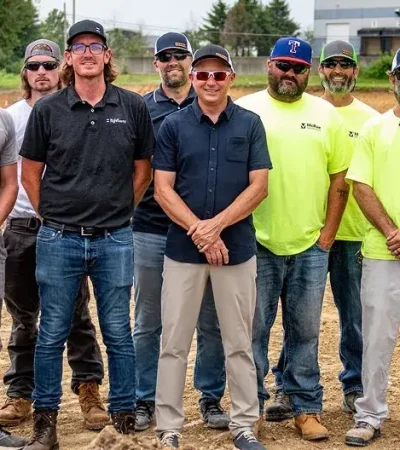
A deep foundation project needs clear planning, practical coordination, and steady jobsite control. The work below grade has to support the structure, site plan, concrete work, inspections, and schedule above it.
1. Review the Project Need
We start with what the building, site, and final use need from the foundation system.
That may include heavy loads, weak soil, public-use needs, water-bearing structures, additions, or future expansion.
2. Look at Site Conditions and Access
We review site limits, access, grading, drainage, building pad needs, equipment access, and field conditions that could affect the work.
Those details matter before foundation equipment, excavation, concrete, and inspections start shaping the schedule.
3. Align Scope, Budget, and Schedule
We define the foundation work before crews begin.
That includes support needs, sequencing, access, trade dependencies, inspection timing, and how below-grade work may affect the larger project.
4. Coordinate With the Full Construction Path
Foundation work has to connect with site preparation, structural concrete, inspections, trade partners, and field sequencing.
We keep those pieces moving together so the foundation plan supports the next phase of construction.
5. Support the Work Through Closeout
We manage the work with direct communication, jobsite leadership, and attention to final details.
The goal is stable support below grade and a project that can move forward without avoidable foundation surprises.
Deep Foundation Project Experience
Project history shows how foundation support, site conditions, structural needs, and long-term use affect the full construction path. These projects show why early planning matters when the support below the building has to carry more risk.
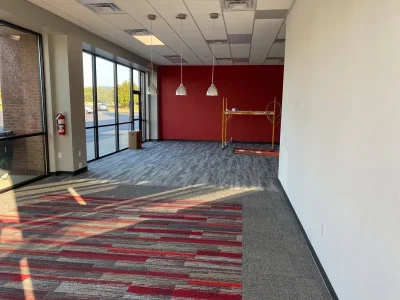
Shepherdsville Aquatic Center
Deep foundation work at an aquatic facility needs careful support planning because water-bearing structures and public-use spaces depend on long-term stability. Projects like this show why below-grade work has to connect with site conditions, structural needs, inspections, and the full construction path.
Olympic Swimming Pool Deep Foundation
Specialty foundation support for a pool project brings more risk than standard building work. The structure, water load, site conditions, access, and long-term use all need careful coordination before the finished facility can perform as intended.
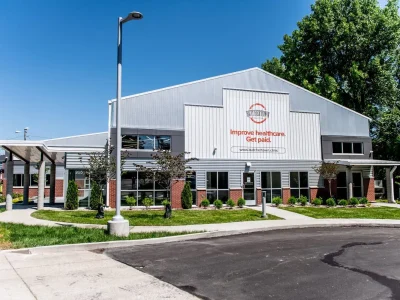
Clinical Trials Building
This repurposing project required structural reinforcement, upgraded systems, and better use of an existing building. Existing properties often bring hidden support questions that need review before work moves too far.
Project 4610 | Jeffersonville, IN
This 8.5-acre build-to-suit opportunity near I-265 is planned for industrial and flex users that need strong access, flexible building size, and outdoor storage potential.
Projects like this show why site, structure, and future use should shape early foundation planning.
What People Say About Our Deep Foundation Work
You need foundation work that supports the full project, not just the below-grade task. That trust shows up when soil conditions, support needs, structural concrete, inspections, and field sequencing are reviewed before work moves too far.
EXCELLENT Based on 16 reviews
 Posted on Google
 Conor WhooleyMcRae Enterprises did an excellent job transforming our large fountain into a beautifully redesigned landscape feature. Their team was professional, responsive, and thoughtful throughout the process, offering design input that truly elevated the final result. The workmanship is high quality, the project was completed efficiently, and the finished product fits seamlessly into the campus environment. We would gladly recommend McRae Enterprises for commercial construction and redesign projects.Posted on Google
 Matthew LatimerWe recently hired McRae Enterprises for a full remodel/expansion project of Latimer Animal Hospital. The experience exceeded every expectation. From the very first meeting, their communication was clear, honest, and consistent. Every staff and crew member treated this project with utmost care and respect. The quality of design and workmanship is outstanding. We came with an idea, and they brought it to life. They offered suggestions along the way that improved the final result without adding unnecessary cost. The project was completed on schedule, and the final outcome is even better than we imagined. If you’re looking for a contractor who is reliable, skilled, and genuinely invested in doing great work, call McRae today! We couldn’t be happier with our remodel and highly recommend them to anyone considering a renovation or new project.Posted on Google
 Rob TateWe recently worked with McRae on our project, and the experience was outstanding. From start to finish, their team demonstrated professionalism, attention to detail, and clear communication. McRae truly cares about delivering a great result, and it shows in every aspect of their work. We couldn’t be happier and highly recommend them to anyone looking for a reliable and skilled construction company.Posted on Google
 Bob McIlvoyWorking with Micah McRae from McRae Enterprises was a truly positive experience. His team, led by project manager Liz Bell, demonstrated outstanding professionalism, punctuality, and attention to detail throughout our full store remodel. The project was completed on time, with clear communication and high-quality workmanship that exceeded expectations. I highly recommend McRae Enterprises to any business seeking reliable, efficient, and top-notch construction services.Posted on Google
 Kate DunnI’ve been fortunate enough to see Micah McRae and his team in action for over a decade, and I can say with ZERO hesitation that their integrity is second to none. Micah is one of the most genuine, modest, hard-working people I’ve ever had the pleasure of knowing. He’s built an incredible team that goes above and beyond to exceed expectations. I’ve heard COUNTLESS clients praising the remarkable experience of working with him and his team, time after time…but it’s never a surprise. McRae & his crew are the kind of people you want handling your most important projects.Posted on Google
 Chad SwailsGreat team to work with. From beginning of project to the end of the project the team kept me involved and highly recommend. Look forward to working with them again.Posted on Google
 philip jonesThis company is excellent to work with. They have great management skills. The coordination through the process was communicated well. The end work product was excellent. I would highly recommend this company.Posted on Google
 Joanna TruebloodMcRae Enterprises did an outstanding job on East Washington School Corporation’s greenhouse project! Their team demonstrated exceptional professionalism, craftsmanship, and attention to detail throughout the entire process. From planning to execution, they ensured the project was completed on time and exceeded expectations. Their dedication to quality and customer satisfaction was evident in every aspect of their work. Liz went above and beyond even after the project was completed. We highly recommend McRae Enterprises for any construction project—truly a top-tier company!Posted on Google
 minea chhimReliable, construction got done as scheduled. Fast respond. They work during holiday and weekend to finish my project as i asked for. High responsibility. Very recommended. Thank you Liz and Micah and your hard work teams.Posted on Google
 Amy NortonMcRae is a great company to work with. Liz is always very professional and positive!
Deep Foundation FAQs
What are deep foundations?
Deep foundations are support systems that transfer building loads below weak or unstable surface soil to stronger ground or rock below. They are often used when standard shallow footings are not enough for the project.
When does a commercial project need deeper foundation support?
A project may need deeper support when the soil is weak, the building carries heavy loads, the site has poor subsurface conditions, or the structure needs stronger long-term support than standard footings can provide.
How are deep foundations different from shallow foundations?
Shallow foundations support the building near the surface. Deep foundations carry loads farther below grade to reach stronger support. The right option depends on soil conditions, building loads, and the project design.
What types of systems can deep foundation work include?
Depending on the project and engineering needs, deep foundation work may include micropiles, helical piers, resistance piers, shoring systems, or other support methods used to transfer loads to stronger ground.
Can this work support industrial buildings?
Yes. Industrial buildings may need deeper support because of equipment, storage, building loads, site conditions, or future expansion needs.
Can deep foundation work be part of a renovation or expansion?
Yes. Renovations and expansions can require new support when the existing structure or site cannot carry the new load or use.
How early should foundation planning happen?
Foundation planning should happen before the scope, budget, and schedule move too far ahead. Early review helps reduce redesign, delays, and cost changes.
Does this work connect with structural concrete?
Yes. Deep foundation work often connects with footings, slabs, building pads, grade beams, and other structural concrete needs. Keeping those items aligned helps the project move with fewer issues.
Can McRae help with public-use or aquatic projects?
Yes. We have experience with deep foundation work tied to aquatic and public-use projects where long-term support, safety, and coordination matter.
Does McRae serve areas outside New Albany?
Yes. We are based in New Albany, Indiana and serve commercial and industrial clients across Southern Indiana and Kentucky.
Deep Foundation Service Areas
We are based in New Albany, Indiana, and serve deep foundation projects across Southern Indiana and Kentucky.

Indiana Service Areas
- Elizabeth, IN
- Corydon, IN
- Lanesville, IN
- Georgetown, IN
- New Albany, IN
- Clarksville, IN
- Sellersburg, IN
- Columbus, IN
- Evansville, IN
- Charlestown, IN
- Scottsburg, IN
- New Washington, IN
- Jeffersonville, IN
- Madison, IN
- Salem, IN
- Pekin, IN
- Borden, IN
- Paoli, IN
- Floyds Knobs, IN
- Palmyra, IN
- Greenville, IN
- Jeffersonville, IN
- Memphis, IN
- Henryville, IN
- Indianapolis, IN
- Seymour, IN
- Bloomington, IN
Kentucky Service Areas
- Louisville, KY
- Shepherdsville, KY
- Mt. Washington, KY
- Shelbyville, KY
- LaGrange, KY
- Crestwood, KY
- St. Matthews, KY
- Elizabethtown, KY
- Bowling Green, KY
- Owensboro, KY
- Lexington, KY
- Richmond, KY
- Frankfort, KY
- Covington, KY
- Florence, KY
Protect the Project Below the Surface
Deep foundation work protects the project before the building comes out of the ground. Soil conditions, support method, access, grading, drainage, structural concrete, inspections, and sequencing all need attention before the schedule depends on them. If you are planning a commercial, industrial, public-use, aquatic, build-to-suit, renovation, or expansion project across Southern Indiana or Kentucky, our team can review the foundation needs early and move forward with stronger control.
