Indiana has made nuclear energy a strategic priority—so we’re paying close attention.
In 2025, Governor Mike Braun signed multiple bills aimed at positioning Indiana as a national leader in advanced nuclear technologies, including small modular reactors (SMRs), to support rising electricity demand driven by data centers and industrial growth. One such measure, HB 1007, allows utilities to recover certain SMR development costs prior to plant operation, reflecting the long timelines and capital intensity of large-scale energy infrastructure.
At the same time, the state partnered with First American Nuclear (FANCO), which plans to establish its headquarters, manufacturing facilities, and an energy park in Indiana—signaling a long-term investment in domestic energy infrastructure, workforce development, and supply-chain capacity.
For companies responsible for designing and building long-life infrastructure, these developments raise a practical question: how should local communities plan energy systems that are reliable, resilient, and adaptable over decades—not just short-term cycles?
Taking the Long View
At McRae, our work centers on infrastructure that lasts. That means paying attention not only to what is deployable today, but also to the forces shaping tomorrow’s communities.
One reality is increasingly clear: the electrical grid is under strain. Growth in electrification, AI, and industrial demand is colliding with aging infrastructure, weather volatility, and the challenges of integrating intermittent energy sources at scale.
Responsible planning requires balance. Sustainability matters—but it only works when reliability is maintained.
Why Emerging Technologies Stay on Our Radar
Micro nuclear reactors, often referred to as microreactors, are not a replacement for renewable energy. They are being explored as a potential long-term complement to renewable-heavy grids that still require dependable baseload power.
From an infrastructure perspective, they are being studied for their ability to:
- Provide continuous, always-on power
- Deliver low-carbon energy during operation
- Serve industrial, campus, or critical-infrastructure use cases
- Operate within relatively small physical footprints
Our interest in these technologies is practical, not ideological. We are not pursuing deployment today. We are learning, observing, and preparing so future decisions can be informed as regulations, safety frameworks, and real-world performance mature.
Seeing the Bigger Picture at Idaho National Laboratory
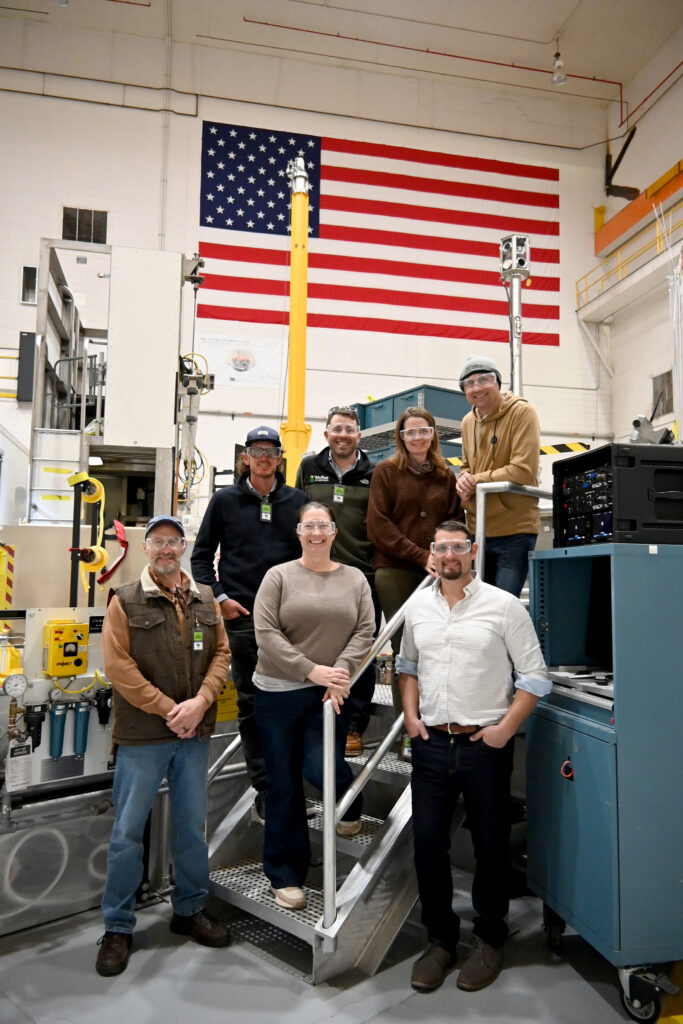
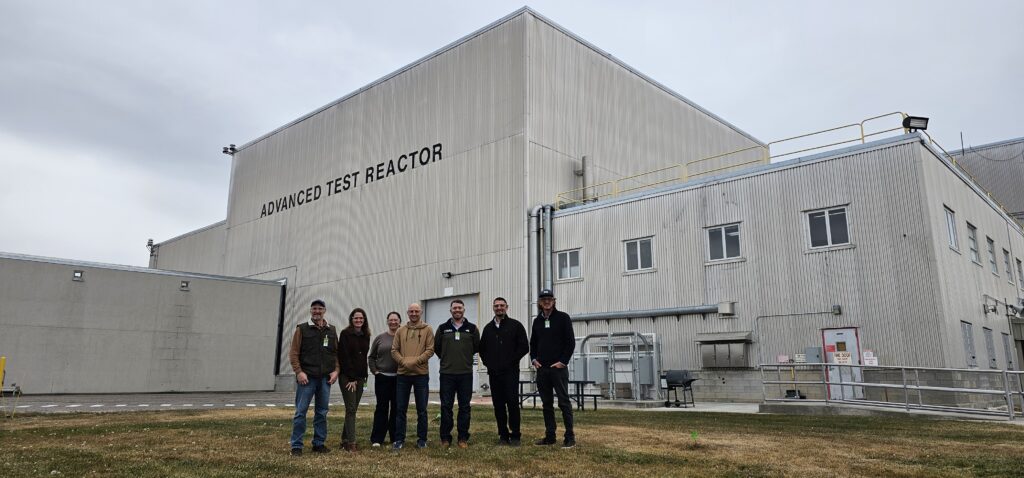
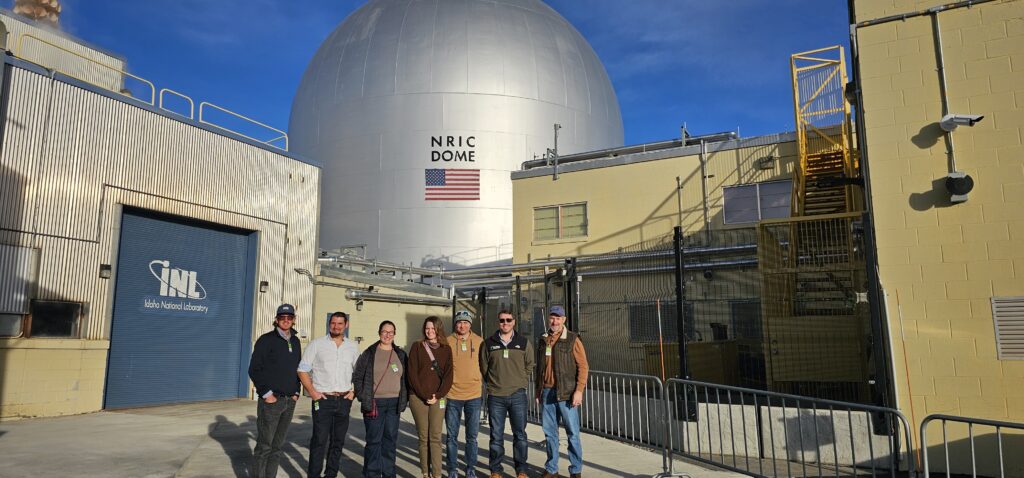
To deepen our understanding, members of our team visited Idaho National Laboratory (INL) in Idaho Falls—America’s leading nuclear energy research facility and the birthplace of nuclear-generated electricity in the United States.
We also visited the Experimental Breeder Reactor-I (EBR-I), where the world’s first usable nuclear electricity was produced in 1951. Standing at that site was a powerful reminder that infrastructure innovation unfolds over decades, not headlines.
What stood out most was not just the technology, but the discipline behind it—the patience, regulatory rigor, and public trust required when innovation intersects with critical infrastructure and community well-being.
We met thoughtful people, asked hard questions, and left with a clearer appreciation for how seriously these technologies are being evaluated—and how far they still have to go.
Microreactors: Where Things Stand Today
Microreactors are very small nuclear power systems designed to produce electricity at the megawatt scale—typically far smaller than traditional nuclear plants.
Key points shaping current evaluation:
- Most designs target 1–20 megawatts of output
- Intended use cases include industrial sites, campuses, and critical facilities
- Systems are designed for continuous operation
- No direct carbon emissions during operation
- Small physical footprints and long fuel cycles
- Strong emphasis on passive safety and simplified design
Today, microreactors are not commercially deployed at scale. Most remain in research, testing, or early demonstration phases. Any future deployment in the United States would require extensive review and approval by the U.S. Nuclear Regulatory Commission, with much of the research occurring at facilities like INL.
Most experts view microreactors as a potential long-term complement to renewables—not a replacement.
Our Commitment to Clean Energy
Clean energy is not a concept to us—it’s something we integrate into the projects we build.
Solar, wind, hydro, and energy storage are essential to a sustainable future, and solar remains the most practical and scalable clean-energy solution available today. We genuinely believe in it—and we build accordingly.
At the same time, we’re clear-eyed: sustainability only works when reliability is maintained. Communities depend on dependable power for hospitals, water systems, manufacturing, emergency services, and growth. Clean energy and reliability must move forward together.
Integrating Solar Into the Communities We Build
When appropriate for the site, use case, and client objectives, we design and construct facilities that incorporate on-site solar generation as part of a broader approach to long-term efficiency and resilience.
We evaluate roof design, structural capacity, orientation, and electrical infrastructure early—so solar can be integrated without compromising safety, performance, or future flexibility.
Our approach is practical and collaborative:
- Real-world performance and payback matter
- Systems integrate cleanly with building operations
- Durability, maintainability, and code compliance come first
- Decisions are made alongside owners, developers, and utilities
By incorporating solar where it makes sense, we help reduce long-term energy costs, support grid resilience, and lower environmental impact—without sacrificing constructability or reliability.